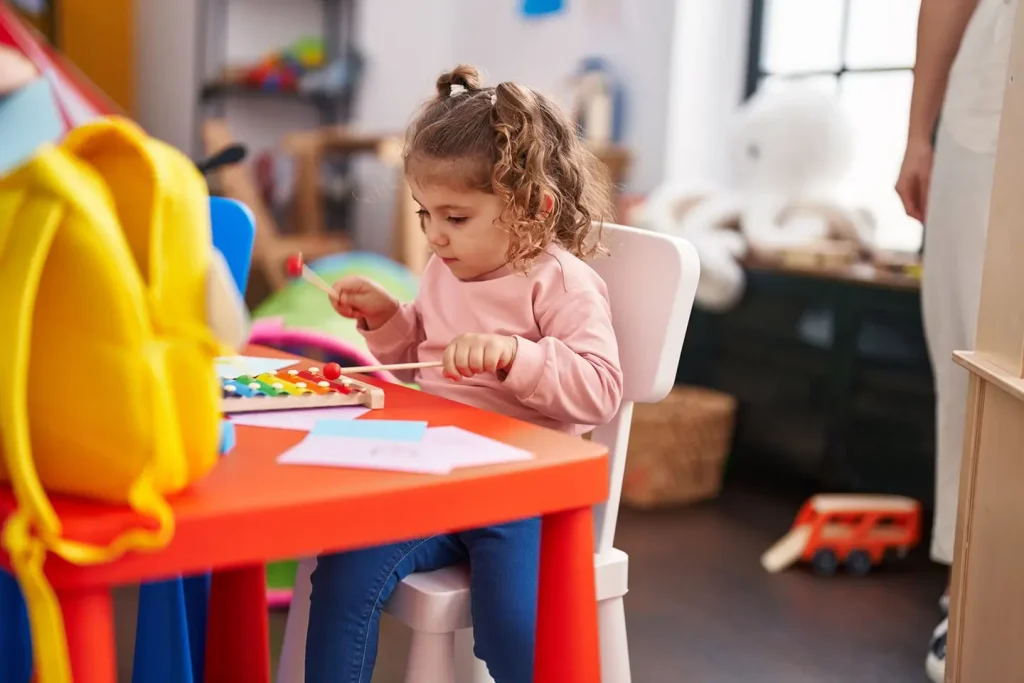

The start of the school year is a pivotal moment in the lives of children and their parents. After long weeks of vacation, marked by freedom and often flexible schedules, returning to school, particularly to preschool for children over 3 years old, can be a real challenge. Between fatigue, excitement, and apprehension, managing this transition is essential to ensuring a smooth and productive start to the year.
Recognizing fatigue in your child
Fatigue in children over 3 years old, at the start of the school year, can manifest itself in different ways, ranging from mood changes to physical manifestations.
Tired children may become irritable, have difficulty concentrating, and show a lack of interest in activities they previously enjoyed. Sleep disturbances, such as difficulty falling asleep or waking up during the night, can also indicate increased fatigue, as can changes in eating habits, with an increase or decrease in appetite.
An increased need for naps or rest periods during the day may also indicate that the child is not getting enough sleep at night.
Finally, fatigue can manifest as headaches or increased susceptibility to infections, reflecting a decrease in physical energy and immunity. If fatigue persists or significantly impacts the child’s well-being, it is recommended to consult a healthcare professional to determine the cause and find appropriate solutions.
Some tips to avoid back-to-school fatigue
To help your child get through this transition smoothly and maintain their energy and well-being, here are some practical tips to avoid back-to-school fatigue.
1. Re-establish a sleep routine
The key to a successful transition to the school schedule lies in establishing a stable routine well before classes begin. This is especially true for sleep and bedtimes, which tend to shift during the holidays. Quality sleep is essential for children’s learning at school.<sup>1</sup>
About two weeks before the start of the school year, it is advisable to gradually readjust these schedules to more closely resemble those of the school term. This will help reduce fatigue in the first few days and maintain children’s focus throughout the day.
2. Prepare the ground
Preparing for the start of the school year also means discussing with your child what a typical day at school will be like: this can greatly help reduce their anxiety. Explaining the daily routine, the planned activities, and the importance of naps for younger children can help reassure them. Visiting the school or classroom before the start of the school year can also be beneficial in familiarizing the child with their new environment.
3. Promote autonomy
Encouraging children to pack their own school bag or choose their own clothes for the next day can strengthen their sense of autonomy and belonging in this new chapter of their lives. It also allows them to feel like active participants in their return to school, rather than just passive observers.
4. The importance of sleep
A well-rested child is a child ready to learn. Sleep plays a crucial role in attention span and memory. It is therefore essential to ensure your child gets enough quality sleep by establishing a calming bedtime routine and limiting sources of stimulation before bedtime.
5. Listen and communicate
The first few days, or even the first few weeks, can be challenging for some children. Listening to their needs, concerns, and impressions of school and new activities is essential. This not only reassures them but also allows for the quick identification and resolution of any potential problems.
6. Napping, a powerful ally
For children who are used to it, a nap can be a valuable time for rest and recovery. Even though it tends to be less frequent in preschool, encouraging rest time after school can help maintain a child’s energy balance, especially at the beginning of the year.
7. A balanced diet
While adopting a balanced diet is a recommendation to follow throughout life, it remains crucial during certain periods, such as the start of the school year. In this case, a breakfast rich in protein and fiber provides a solid foundation of energy to begin the day, while healthy snacks like fruits, vegetables, and nuts maintain energy levels without causing blood sugar spikes.
Hydration also plays a vital role in preventing fatigue and improving concentration, so encouraging your child to drink water regularly is important.
Foods rich in iron and omega-3, such as red meat, green vegetables, oily fish, and chia seeds, support brain health and cognitive function.
Limiting simple sugar intake helps prevent energy fluctuations that can lead to fatigue. Finally, maintaining a regular meal schedule and including foods rich in magnesium and B vitamins in your child’s diet helps regulate their energy metabolism, thus reducing fatigue and promoting overall well-being during this back-to-school period.
Dietary supplements are a boost
Dietary supplements provide beneficial nutritional support and facilitate adaptation to the demanding pace of the start of the school year. They offer the missing piece to promote overall well-being and help the child feel energetic and ready to face the challenges of this period.
Using multivitamin supplements can be an effective strategy. They offer a broad spectrum of essential vitamins and minerals that help ensure nutritional balance, support the immune system, improve concentration and learning abilities, and contribute to better energy levels.
Consulting a healthcare professional before introducing these multivitamin supplements into a child’s diet is recommended. They can recommend the most suitable product and confirm the appropriate dosage. It is important to choose products specifically formulated for children and to follow the dosage instructions.
Multivitamins, when integrated into a healthy lifestyle including a balanced diet, regular physical activity, and sufficient sleep, can play a key role in maintaining a child’s health and well-being, providing the necessary support to navigate with energy and vitality through the transition to school.